1. สมาธิ — ฝึกการจดจ่อยาวขึ้นได้ 1. Focus — Builds Sustained Attention
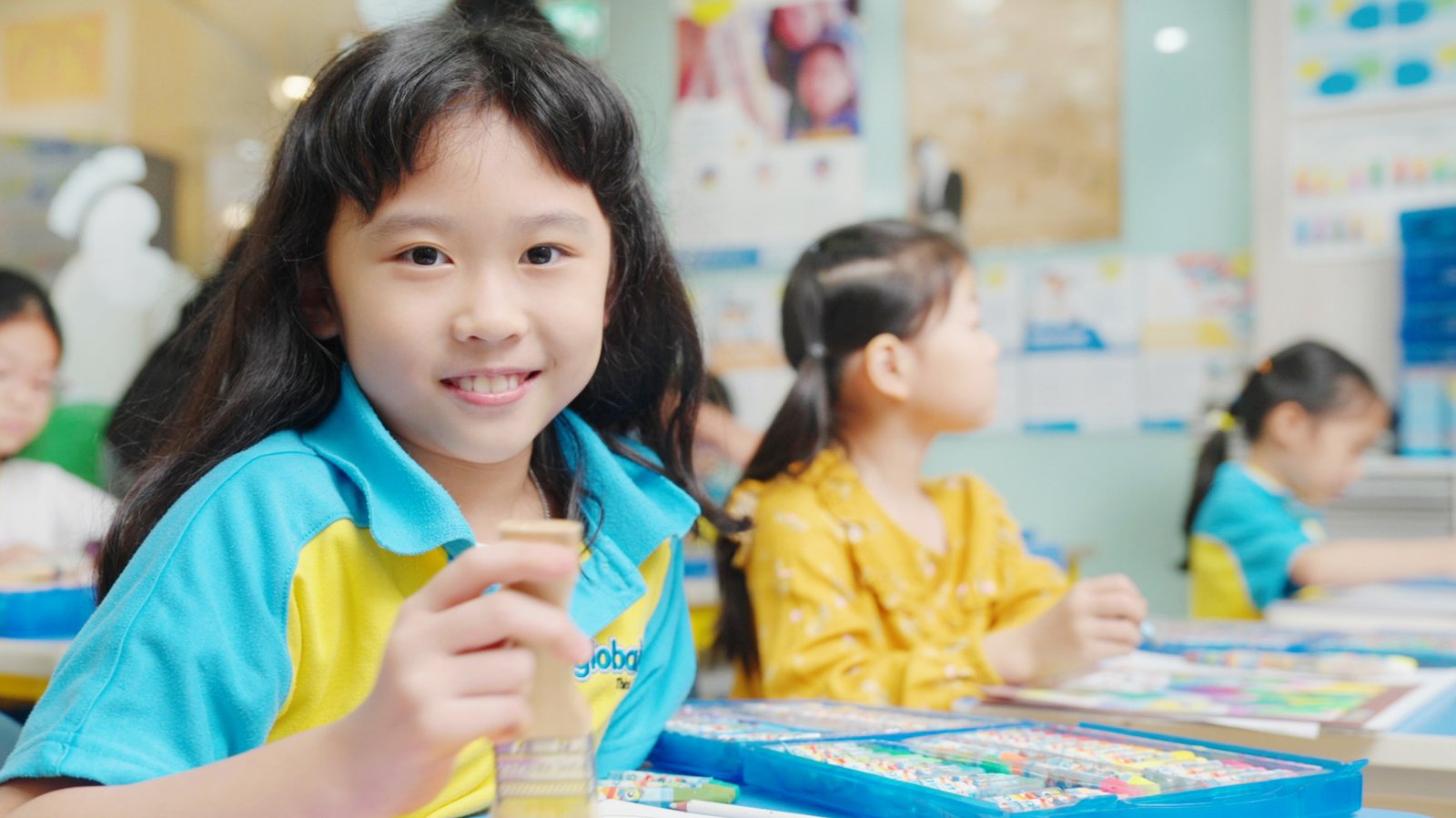
การวาดรูป 1 ภาพต้องใช้สมาธิต่อเนื่อง 30–90 นาทีค่ะ ในยุคที่น้องๆ ชินกับคอนเทนต์สั้น 15 วินาที — ศิลปะคือ "การฝึกสมาธิแบบสนุก" ที่ไม่บังคับนะคะ คุณพ่อคุณแม่หลายท่านบอกครูว่าหลังเรียนได้ 2–3 เดือน ลูกนั่งทำการบ้านได้นานขึ้นอย่างชัดเจนเลยค่ะ Finishing a single piece takes 30–90 minutes of continuous focus. In an era where kids are wired to 15-second clips, art class is "focus training disguised as fun." Many parents tell us that after 2–3 months, their child sits with homework noticeably longer.
2. ความมั่นใจ — กล้าตัดสินใจ กล้าผิด 2. Confidence — Daring to Decide, Daring to Be Wrong
ทุกครั้งที่น้องเลือกสี เลือกองค์ประกอบ หรือเลือกเทคนิค คือการตัดสินใจของตัวเองค่ะ ไม่มีคำตอบ "ผิด" ในศิลปะ มีแค่ทางเลือกนะคะ น้องๆ ที่เรียนต่อเนื่องจะกล้าแสดงความคิด กล้าลอง และไม่กลัวล้มเหลวเลยค่ะ — ทักษะที่จะติดตัวไปทั้งชีวิต Every time a child picks a colour, a composition, or a technique, they're making their own decision. In art, there's no "wrong answer" — only choices. Kids who study consistently grow into adults who voice opinions, take chances, and aren't afraid to fail — life skills that carry through everything.

3. การคิดวิเคราะห์ — สังเกต วางแผน แก้ปัญหา 3. Analytical Thinking — Observe, Plan, Problem-Solve
ก่อนวาด น้องต้องสังเกตวัตถุ วางแผนองค์ประกอบ และคาดการณ์ผลลัพธ์ค่ะ เวลาผสมสีไม่ออกอย่างที่คิด — ต้องวิเคราะห์ว่าทำไม แล้วลองใหม่นะคะ นี่คือกระบวนการเดียวกับการแก้โจทย์คณิตศาสตร์ การออกแบบโครงงาน หรือการเขียนเรียงความเลยค่ะ Before drawing, kids observe the subject, plan the composition, and predict the outcome. When a colour mix doesn't work, they analyse why and try again. It's the same cognitive loop as solving a math problem, designing a project, or writing an essay.
4. ความคิดสร้างสรรค์ — มองโลกแบบไม่ตามกระแส 4. Creativity — Seeing the World on Their Own Terms
ในห้องเรียนปกติ คำตอบมีคำตอบเดียว แต่ในห้องศิลปะของครู มีคำตอบ 30 แบบสำหรับน้อง 30 คนค่ะ น้องๆ จะเรียนรู้ที่จะคิดต่างจากกระแสหลัก — ทักษะที่ AI ทำแทนไม่ได้ และนายจ้างในอนาคตจะค้นหามากๆ เลยนะคะ In a regular classroom there's one right answer. In an art classroom there are 30 right answers for 30 kids. Children learn to think differently from the mainstream — exactly the skill AI can't replicate, and the one future employers will hunt for.
5. การจัดการอารมณ์ — ระบายความรู้สึกผ่านสี 5. Emotional Regulation — Channeling Feelings Through Colour
เด็กยุคนี้เจอความเครียดจากโรงเรียน social media และครอบครัวมากกว่าที่คุณพ่อคุณแม่คิดเลยค่ะ ศิลปะให้พื้นที่ปลอดภัยในการระบายอารมณ์ที่ยังพูดเป็นคำไม่ได้นะคะ ครูเห็นชัดเจนว่าน้องที่เพิ่งมาเรียนมักหงุดหงิดเมื่อทำไม่ได้ดั่งใจ — แต่หลังไม่กี่เดือนเริ่มยิ้มกับความ "ไม่สมบูรณ์แบบ" ของงานตัวเองได้ค่ะ Kids today face more stress from school, social media, and family than parents realise. Art creates a safe space to process feelings they can't yet put into words. Teachers see new students get frustrated when work doesn't go their way — and a few months later, they're smiling at the "imperfections" of their own pieces.
"รอยยิ้มของน้องตอนเห็นผลงานเสร็จมีค่ามากกว่ารางวัลใดๆ ค่ะ" — ครูแพน Global Art Central Ladprao "A child's smile at their finished piece is more valuable than any trophy." — Kru Pan, Global Art Central Ladprao
อยากเห็นพัฒนาการแบบนี้ในลูก? Want to see this in your child?
ทดลองเรียนฟรี 1 คาบ ไม่มีค่าใช้จ่าย ไม่มีข้อผูกมัด Free trial, 1 lesson — no cost, no obligation.
LINE จองทดลองเรียนฟรี Book Free Trialสรุป Summary
การเรียนศิลปะให้มากกว่าแค่ฝีมือวาดรูปนะคะ — สร้างสมาธิ ความมั่นใจ การคิดวิเคราะห์ ความคิดสร้างสรรค์ และความเสถียรทางอารมณ์ที่จะติดตัวน้องไปตลอดชีวิตค่ะ ทุกการลงทุนที่คุณพ่อคุณแม่ทำในช่วงนี้ คือการลงทุนในตัวน้องระยะยาวเลยค่ะ Art classes build far more than drawing skills — they cultivate focus, confidence, analytical thinking, creativity, and emotional resilience that stay with kids for life. Every hour invested now is a long-term investment in who your child becomes.